
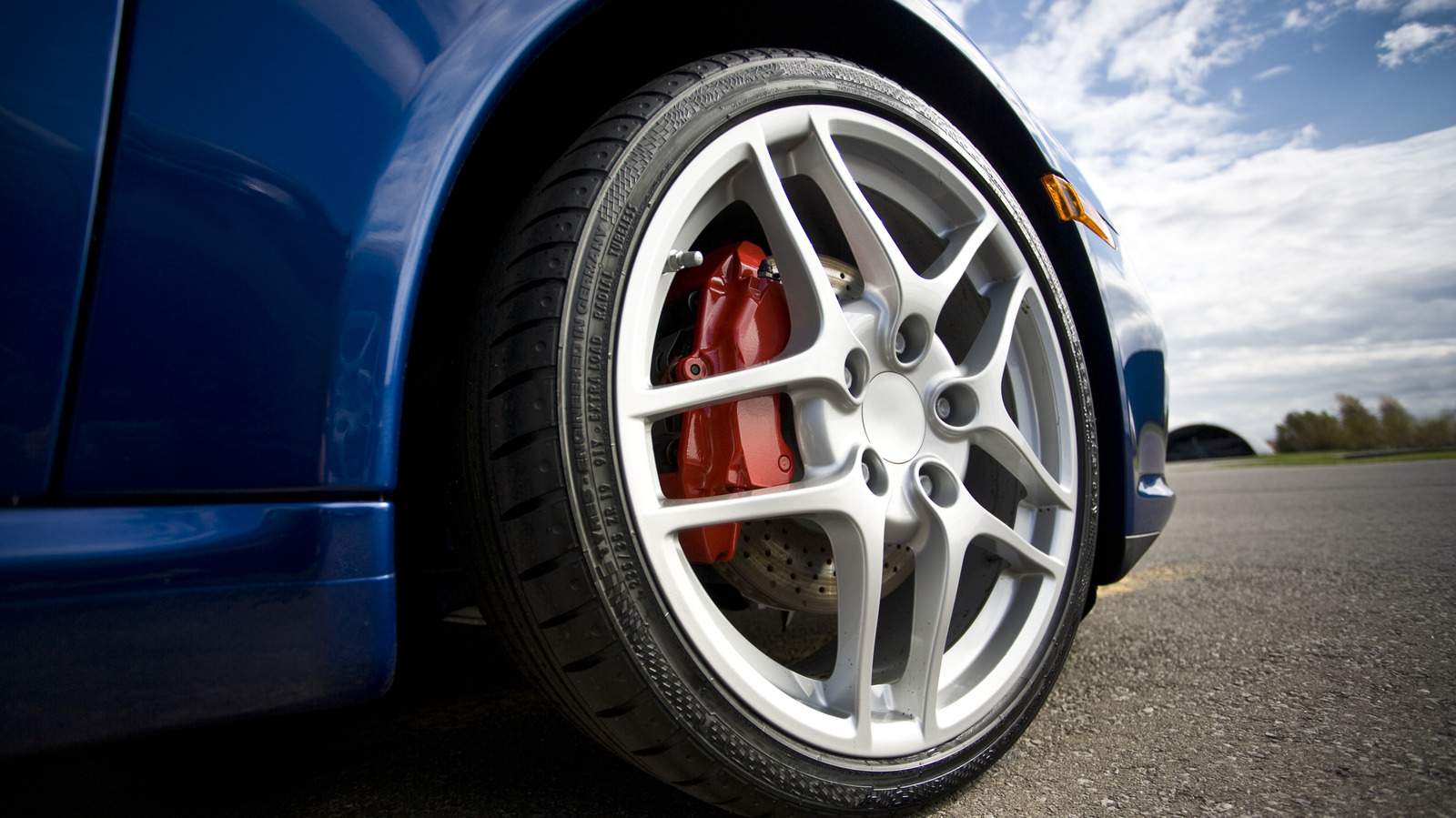
Summer Tire Showdown: Grip Isn't Everything for Performance
Around here, we're always talking about how to get more power to the ground. Engine builds, turbo upgrades, superchargers – they're all about raw force. But all that power is useless without grip. Tires are your only contact patch with the road. They make or break your performance setup.
That's why a recent article from Jalopnik caught our eye. They dug into the differences between top summer tires, specifically focusing on grip. It's a question we get all the time from customers: "Which tire has the most grip?" The Jalopnik piece, pulling data from Tire Rack and Consumer Reports, confirms what we've seen on the track and in the shop for years: it's more complex than a single number.
Why Summer Tires Matter
Let's get the basics out of the way. Most cars roll off the lot with all-season tires. They're a compromise. They handle a bit of everything: summer heat, light snow, rain, and everything in between. They also tend to have taller sidewalls, which makes for a softer, more forgiving ride.
But if you're chasing performance, an all-season tire is a major bottleneck. Summer tires are built for warmer temperatures. Their rubber compounds are stickier. Their tread patterns are designed for maximum contact and water evacuation, not snow. This means better grip in dry and wet conditions, sharper steering response, and ultimately, faster lap times and more confident driving.
It's a trade-off. You give up some comfort and year-round versatility. But for a dedicated performance car or a spirited daily driver, that trade is worth it.
Diving Into the Data: Grip vs. Reality
Jalopnik looked at common ultra-high performance and max performance summer tires. Brands like Michelin, Continental, Bridgestone, Firestone, General, and Yokohama. Tire Rack and Consumer Reports both put these tires through their paces, testing everything from objective metrics like cornering G-force to subjective feel like road noise and handling.
The Contenders (Key Models Mentioned):
- Michelin Pilot Sport 4S
- Continental ExtremeContact Sport 02
- General G-MAX RS
- Bridgestone Potenza Sport
- Firestone Firehawk Indy 500
- Yokohama ADVAN Apex V601 (Tire Rack only)
Raw Grip: The Michelin Edge
If you only look at raw cornering G-force, the Michelin Pilot Sport 4S came out on top. Tire Rack measured it at 1.01g. The Continental ExtremeContact Sport 02 was right behind it at 0.99g. That's a tiny difference on paper. A fraction of a G-force. For most drivers, that difference is almost imperceptible in everyday driving. It shows just how close the top-tier tires are getting in terms of ultimate stick.
Lap Times & Predictability: Continental Takes the Lead
Here's where it gets interesting. Despite the Michelin having a tiny edge in raw grip, the Continental ExtremeContact Sport 02 actually recorded faster lap times in both dry and wet conditions. How does that happen?
Predictability. Tire Rack noted that the Continental was more predictable. It gave the driver more feedback. It required less mid-corner correction. When you're pushing hard, whether on a track or a canyon road, a predictable tire inspires confidence. You know where the limit is. You can push closer to it without fear of a sudden snap. This translates to faster, more consistent driving. Raw grip is one thing; usable grip is another.
Real-World Feel: The General G-MAX RS Surprise
Not everyone is chasing tenths of a second on a race track. Many of us want great performance for spirited street driving. This means factors like road noise, ride quality, and daily handling feel become important. Both testing outlets considered these "real-world" metrics.
This is where the General G-MAX RS emerged as a dark horse. According to Jalopnik, the General scored almost as well as the winning Continental in Tire Rack's "Real World Road Ride Ratings." This index accounts for factors like noise, ride quality, steering response, and road handling. The General was strong, especially for ride quality and steering/handling. It also often comes at a more attractive price point, making it a serious value contender for many enthusiasts.
CI Motorsports Take
Choosing performance tires is never a cut-and-dry decision based on one spec sheet number. The Jalopnik article really highlights this. We see it every day in the shop. A tire might boast the highest ultimate grip, but if it doesn't communicate well, if it's unpredictable, or if it's overly harsh for a daily driver, it's not the right tire for that customer.
- Don't chase just the G-force number. Raw grip is good, but usable grip is better. A predictable tire means you can push harder, safer, and faster. This applies to both street and track driving.
- Consider your driving style and usage. If your car sees occasional track duty and a lot of street miles, a tire like the Continental or even the General G-MAX RS might be a better all-around choice than something with a barely higher peak grip number that's twitchier or louder.
- Value matters. The General G-MAX RS showing strong in real-world metrics and predictability means you don't always need to spend top dollar for excellent performance. This frees up budget for other upgrades, like suspension or brakes, which complement good tires perfectly.
Ready to upgrade your car's connection to the road? We can help you pick the right tires and pair them with the right suspension and braking components. Browse our selection of performance parts or get in touch with our team to discuss your setup.
Looking for performance parts or expert advice?
CI Motorsports stocks aftermarket and OEM parts for cars, trucks, and powersports — and our team can help you spec the right upgrade for your build.
🏪 Browse the Store 📞 Call 724-479-5480 ✉️ Email Us